ChatGPT ads promise not to touch the answer. Google expands AI Overviews and gives no numbers.
ChatGPT ads promise not to touch the answer. Google expands AI Overviews and gives no numbers.
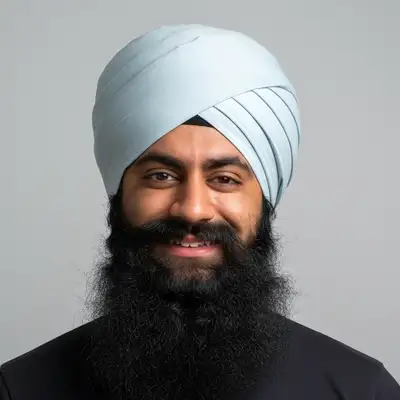
In the fourteenth episode of Assistant to the CMO, Lexie Meskouris speaks with Will Nash and Harjot Singh about whether anybody outside OpenAI can ever check the promise that ads do not influence the answers ChatGPT gives.
OpenAI says ChatGPT Ads reached a one billion dollar annualised run rate under 200 days after its first ad, with self-serve buying now open across Europe, India, the Middle East and North Africa. Both call that signal. The question underneath is whether OpenAI's promise that ads do not influence answers can be checked from outside. Harjot Singh calls it policy rather than a technical guarantee, and Will Nash argues a regulator can only police what leaves a trace.
The second half is Google auto-expanding AI Overviews, with no numbers given. Harjot's read is that the old length limit was economic and layout rather than retrieval. Will's worry runs further out, because removing how publishers get paid makes it harder for the models to stay current. The Monday move is to check whether your buyer sits on a ChatGPT tier that can see an ad.
The second half is Google auto-expanding AI Overviews, with no numbers given. Harjot's read is that the old length limit was economic and layout rather than retrieval. Will's worry runs further out, because removing how publishers get paid makes it harder for the models to stay current. The Monday move is to check whether your buyer sits on a ChatGPT tier that can see an ad.
Highlights of this Episode Include:
- Somebody Else's Customers: Ads run only for logged-in adults on Free and Go, so check which seat your buyer sits in before spending.
- It's Always Policy: Harjot on why OpenAI's promise that ads do not touch the answer has no mechanism under it.
- The Test That Can Never Close: Harjot's probe ad would only ever give suspicion, because targeting is the same signal as relevance.
- Plausible Deniability Is the Shape of It: Will on why a regulator can only police what leaves a trace, and a model's framing leaves none.
- Policing Something Nobody Can See: Harjot's earlier targets policed a label anyone could check, which is why this one needs a regulator.
- The Short Answer Was a Layout Decision: Harjot argues the old length limit came from economics and screen space rather than retrieval.
- Where the Answers Come From in Five Years: Will on how removing the way publishers get paid makes it harder for the models to stay current.
Listen and subscribe: https://AssistantToTheCMO.show
Learn more about Aloudable: https://aloudable.com/
Book a demo: https://aloudable.com/get-a-demo
New episodes of Assistant to the CMO land every Thursday.